Beginner’s Guide to Tabletop Wargaming in 2026
If you’ve ever seen a battlefield covered in detailed miniatures and thought, “That looks incredible — but where do I even start?” you’re not alone.
This beginner tabletop wargaming guide will walk you through everything you need to know in 2026 — from choosing your first game to setting up your first battle.
No jargon. No overwhelm. Just clarity.
What Is Tabletop Wargaming?
Tabletop wargaming is a strategy-based hobby where players command miniature armies on a physical battlefield.
It combines:
- Tactical decision-making
- Probability and dice mechanics
- Creative miniature painting
- Competitive or casual play
Popular examples include Warhammer 40,000 and Age of Sigmar, which dominate much of the UK hobby scene.
Step 1: Choose the Right Game
One of the most searched questions is: What’s the best wargame for beginners?
Here’s a simplified breakdown:
Large-Scale Battles
Best for players who enjoy army building and deep strategy.
Examples:
- Warhammer 40,000
- Kings of War
Skirmish-Level Games
Fewer models. Faster gameplay. Lower cost entry.
Examples:
- Warcry
- Necromunda
If you’re unsure, start with a skirmish game — lower investment and easier learning curve.
Step 2: What Do You Need to Start?
At minimum:
- Starter army or faction box
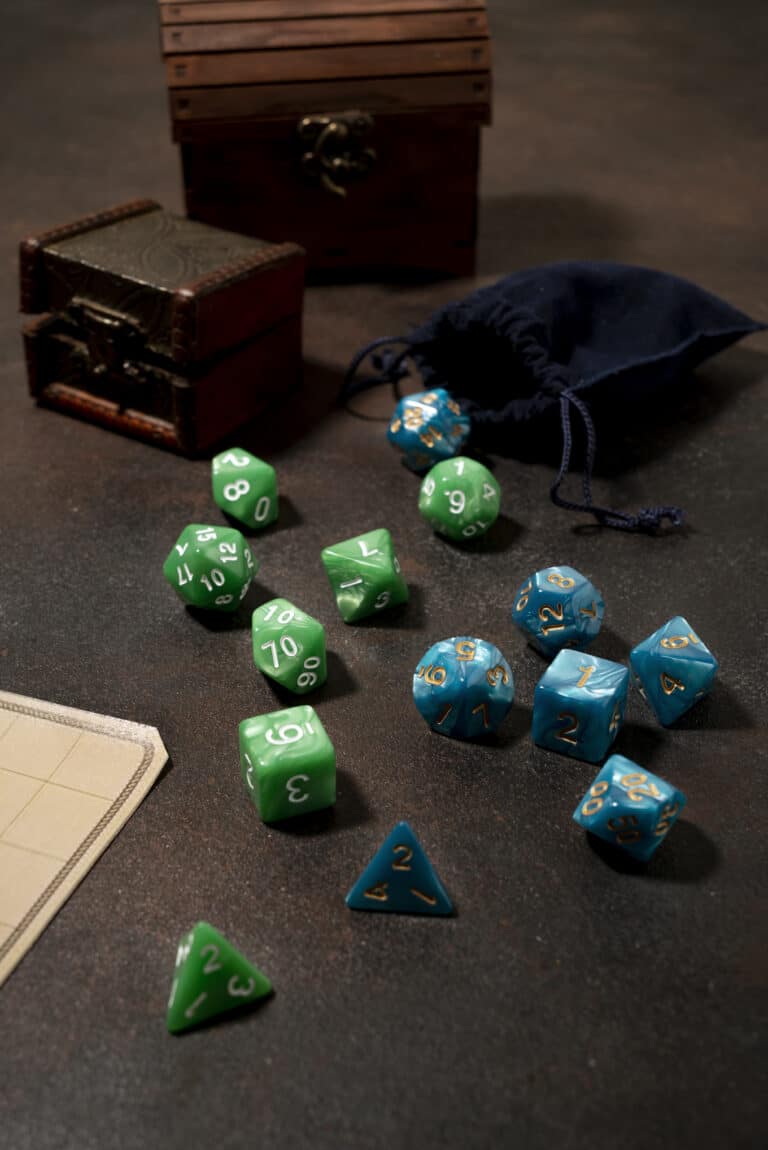
- Dice
- Rulebook
- Measuring tool
- Basic terrain
Many beginners overcomplicate their first purchase. Start small. Expand later.
A simple tabletop wargaming setup is enough for your first few games.
Step 3: Learn the Core Mechanics
Wargaming revolves around:
- Movement
- Shooting or combat phases
- Objective control
- Probability (dice rolls)
Understanding positioning early gives you a massive advantage.
If you enjoy structured thinking and calculated risk, you’ll love the hobby.
Step 4: Building and Painting Miniatures
This is where hobby meets art.
You’ll need:
- Clippers
- Glue
- Primer
- Paints
- Brushes
A quality miniature painting kit makes the process smoother and more enjoyable.
Painting is optional for casual play, but it significantly enhances immersion.
Step 5: Join the Community
The UK has a thriving tabletop community.
Ways to connect:
- Local game stores
- Hobby clubs
- Online forums
- Social media groups
Wargaming communities are generally welcoming to beginners — especially those eager to learn.
Wearing subtle gaming-themed apparel can also act as a quiet signal of shared interest.
Common Beginner Mistakes
Avoid these early errors:
- Buying too many models at once
- Ignoring rules fundamentals
- Playing without clear objectives
- Neglecting proper organization
An organized play area improves focus and strategy.
How Much Does It Cost to Start?
Beginner budget estimates (UK):
- Starter set: £60–£120
- Basic paints/tools: £40–£80
- Accessories: £20–£50
You can realistically begin for under £200.
Skirmish games reduce that significantly.
Why Tabletop Wargaming Is Growing in 2026
Several factors are driving growth:
- Increased interest in strategic hobbies
- Screen fatigue from digital gaming
- Stronger in-person community engagement
- Collectible culture
People are craving tangible, social experiences.
Tabletop wargaming delivers that.
Is Tabletop Wargaming Right for You?
You’ll likely enjoy it if you:
- Like strategy and planning
- Enjoy collecting and building
- Appreciate detailed craftsmanship
- Prefer thoughtful competition over fast reactions
If that resonates, this hobby has depth that lasts years.
Final Thoughts
Starting beginner tabletop wargaming in 2026 is easier than ever.
Start small. Focus on learning. Build gradually.
From choosing your first game to refining your tabletop wargaming setup, every step builds both skill and identity.
And as your collection grows, so does your connection to the community.